History and Nonfiction

The amazing story of a bunch of punks and poets who started the modern conception of harm reduction through criminal direct action and a stubborn refusal to ask for permission to save lives. One of the main sources I used for my episodes about harm reduction.
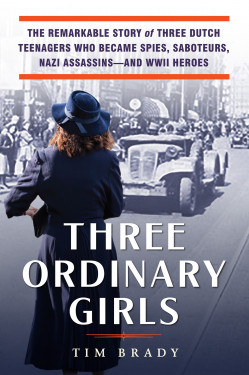
A very readable account of the teens who seduced and killed Nazis in the Netherlands during the Nazi occupation, and one of my favorite sources for my episodes about the Dutch resistance.

Maybe the best explanation I've ever read about the fact that the society can look, and has looked, so radically different than it is today.
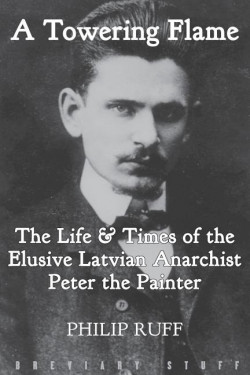
My main source for the episodes I did about Peter the Painter, and maybe the most compelling account of the 1905 revolution I've ever read. This story has it all... prison breaks and may day parades, daring escapes by sleigh through the snow, and was written by a historian who practical devoted his life to uncovering the mystery of the folk hero Peter the Painter.
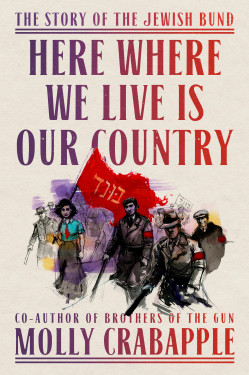
The best history books are the ones where the authors become obsessed with their subjects, and it shows that Molly spared no effort in writing a compelling and thorough analysis of one of the most important movements in the history of the Left. Specifically, this book provides a crucial counter-narrative to Zionism. It says yes, Jewish people have a legacy they can draw on. They have traditions, they have culture, and it doesn't need to be rooted in the imperialist Zionist project.
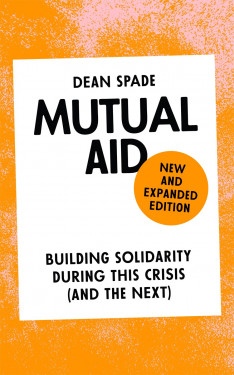
I read excerpts from this on Book Club in two parts (one and two) and I'm obsessed with how Dean Spade takes complicated ideas and makes them so, so simple. This is the clearest and most direct explanation of how to get a mutual aid project going and how to maintain it.
I talk about this book maybe more than any other when I talk about anarchist history, because I'm fascinated by how Peter Kropotkin (a prince who abdicated his title to live as a revolutionary and a scientist) breaks apart the human nature dichotomy that evolutionary biologists still argue about today. If you believe life is the survival of the fittest, then you either do what social darwinists propose and live a cuthroat life, or you do what Huxley (Thomas, not Aldous) proposed and create a state in order to keep us from our animal nature. Kropoktin who actually spent years observing nature says, well, animals take care of one another too. We can do that.
James Stout is one of the best anarchist journalists who has ever written, and this is firsthand accounts of modern military struggle by anti-state rebels.
Give me all of the history books that aren't afraid of how fucking messy radical history can be. This book is readable, in-depth, unabashedly unafraid of nuance, and hilarious. You can hear me interview Ben about the book (parts one and two).
This book blew my mind. We've always been here, us wild rebels who dream of a world without authority in which we still take care of one another, and you can hear me interview the author (parts one and two) about how a slave revolt in the BCE might have been the first time people consciously called themselves anarchists specifically.
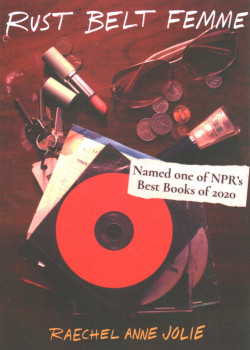
Memoir about being working class and femme by one of the best writers I know